
The Role of Fluoride Treatments in Pediatric Dental Health
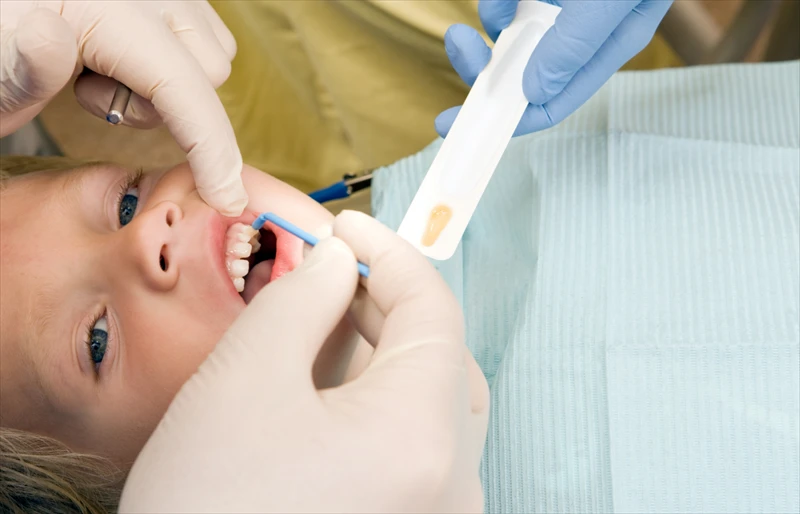
When a child is smiling, it is a milestone and a sign of their growing dental health. Pediatric dentists know that encouraging things like smiles and smiles is a sign of their growing dental health. Preventive care is essential to safeguard against developing health issues. Out of the care options available, dentists find fluoride the most studied, trusted, and effective for providing preventive care. Fluoride is a cornerstone in pediatric care as it protects growing smiles during their most delicate years.
Why Kids' Dental Health Requires Preventive Care
Children' s dental hygiene is a whole different experience from working with an adult. Kids don't have an adult's larger and thicker enamel. Kids also have a growing brushing routine and frequently get sugary foods and starchy foods that encourage cavities. The goal of pediatric dentists is not to fill cavities; it is to avoid having cavities in the first place. Kids' pediatric dentists help develop enamel, encourage healthy habits, and help avoid the need for aggressive dental procedures in the future.
What Is Fluoride, and How Does It Work? Fluoride is a natural mineral that can be found in many healthy foods and in water. It is important for dental health because it can strengthen the enamel that protects against decay. Think of the enamel on a tooth as a shield. Every time we eat, we brush our teeth, and bacteria produce acids that weaken the shield. Fluoride is a special mineral that can help in the repairing and reinforcing of the shield, remineralizing the teeth to make them even more resistant. Fluoride is especially important in pediatric dentistry because kids' teeth are still growing, and their enamel can be even weaker. Fluoride in Pediatric Dentistry. Fluoride and pediatric dentistry go hand in hand because fluoride is essential in the development of children's teeth. Cavities are a major issue that kids face, but they can be eradicated with proper cleaning of their teeth. Pediatric dentists use fluoride to protect both the temporary teeth and the adult teeth that are starting to come through. These temporary teeth are fundamental to proper chewing, talking, and even the positioning of the adult teeth that will come through. Protecting the temporary teeth with fluoride is important to the child's overall development.
Professional Fluoride Treatments vs. At-Home Fluoride Use. Daily brushing with fluoride toothpaste is essential, but some wonder if an in-office fluoride treatment is truly necessary. Fluoride treatments done by a pediatric dentist provide more protection than an at-home regimen.
Key differences are:
A larger quantity of fluoride is included in professional treatments.
A pediatric dentist manages and tailors the application.
Fluoride varnish is more effective since it stays on the teeth longer.
These treatments concentrate on the high-risk areas that brushing doesn't get.
At-home fluoride is necessary, but professional fluoride treatments in pediatric dentistry are taking prevention to the next level.
When and How Often Children Should Receive Fluoride Treatments
Children can begin to receive fluoride treatments as soon as their first teeth erupt. The amount of fluoride treatments a child receives is dependent on their cavity risk, diet, level of oral hygiene, and medical history. All of these factors are assessed by a pediatric dentist in order to formulate a customized treatment schedule that could be as little as once a year to several times throughout the year. This way, children get the right balance of protection while not being overexposed.
Addressing Common Parental Concerns About Fluoride
The safety of fluorides has been established over the past several decades of research and studies, but parents still seem to be concerned. Dental fluorosis is a cosmetic condition that is the result of an overconsumption of fluoride during the critical periods of tooth development. This risk is more common in pediatric dentistry. With the right amount of treatment, the risks are mitigated, and the children are treated effectively.
The Preventive Role of a Pediatric Dentist
A pediatric dentist teaches children and also learns to understand them. Along with preventive care, fluoride treatments become effective.
These preventive care treatments can include:
-
Cleanings and examinations
-
Assessments of their risk of cavities
-
Sealants for protection
-
Education for parents and their kids on brushing and diet
A pediatric dentist partners with children and their families to prevent dental problems with the use of fluoride.
Long-Term Advantages of Children Getting Treated with Fluoride
Fluoride has positive effects on children that last a lifetime. Children who get regular preventive dental care will have stronger enamel on their teeth, have fewer fillings in their teeth, and have less anxiety about the dentist. Having fewer cavities means less dental work, lower costs for the family, and a better attitude about going to the dentist. Fluoride treatments give kids healthy smiles for a long time.
What's most important to remember:
-
Preventing problems is a pediatric dentist's number 1 focus.
-
Fluoride can lower the risk of cavities and strengthen enamel.
-
Using toothpaste with fluoride is not the same as fluoride treatments from a dentist.
-
Every child is different, and a pediatric dentist adjusts their use of fluoride for each child accordingly.
-
Getting fluoride treatments early is great for a child's teeth and helps them have good teeth for their whole life.
Frequently Asked Questions
1. Is it safe for children to use fluoride?
Provided that it is used in correct quantities, the application is under the supervision of a pediatric dentist, and it is done on time, the use of fluoride is safe and is proven to work.
2 . What is the starting age for fluoride treatment?
Depending on the risk of cavities and other factors related to oral health, fluoride treatment could start once the first tooth erupts.
3. How many fluoride treatments are recommended?
Because every child is unique, the pediatric dentist decides the frequency of the treatment based on the child’s risk factors and dental history.
4. Can cavities still form if fluoride is used?
Along with proper oral hygiene and dental check-ups, the use of fluoride helps reduce the chances of getting cavities, but does not guarantee that cavities will not occur.
5 . What is recommended for children post-fluoride treatment?
To ensure that fluoride absorbs properly, pediatric dentists recommend a period of abstinence from eating and drinking.
In pediatric dentistry, the purpose of fluoride treatments is to build a resistance to decay. With the use of fluoride, gaining the confidence of a healthier smile with fewer dental problems is achieved.